
It does not matter whether you are a seasoned guitar pro or simply a beginner. Buying the instrument from the best guitar brands can make all the difference and your playing experience revolutionary.
Undoubtedly, the guitar is one of the most iconic instruments ever to be developed, and when you delve deeper into the guitar world, it is challenging to narrow down your options to just a few.
When shopping for a guitar, you will come across a range of acoustic and metal guitar brands- but the one that is the “best” will be defined per your preference.
Every guitar brand has weaknesses and strengths. While one brand may be more dedicated to the build quality, another might be focused on producing other guitars with cool designs. However, their distinctiveness in creating a sonic portrait of their product remains unique to all the popular guitar brands.
Nevertheless, in today’s guide, we will be listing all the top brands of guitars that are popular amongst passionate guitar players, and mind you; they are popular due to the right reasons. So, let’s discover the 10 best guitar brands!
Our Top Guitar Brand Picks
Ibanez: Stunning Metal Guitar
If you are looking for a shredder-friendly metal guitar, then there is no other optimal brand option for you than Ibanez. The Japanese brand has gained widespread popularity amongst shredders for producing the finest, friendliest metal guitars featuring fast-playing, thin neck through construction that makes it convenient to play intricate, heavy riffs and solos at an impeccable pace.
The design of Ibanez metal guitars permits the guitarists to practice all the vibrato techniques in metal music by easily bending the strings. However, it’s not only the quality that makes their guitar fit for metalheads but also the delivery of aggressive, thick tones ideal for playing soaring leads or heavy riffs.
All the sound through an Ibanez guitar will be brought to you without distortion, with the utmost definition and clarity. Aside from its products, the brand is very committed to advancement.
The company constantly innovates, tries, and tests, including new features in its guitars to improve the designs and provide a groundbreaking experience to all its consumers. Indeed, they are never content and strive to bring extraordinary advancements in their guitars, such as the fanned fret system on some specifics.
Gibson: Rock n Roll Of The Guitar World
When considering a classic, vintage guitar, Gibson is the only company that comes to mind. The brand has been the leading force and rock’ n roll pioneer for over a century. Initially stepping into the guitar world, producing acoustic and mandolins, Gibson progressed towards creating and setting the standard for the manufacturing of electric guitar.
Not only are their guitars’ features phenomenal, but their undeniable influence in the music industry sets Gibson apart from other producers. Some trendy artists such as legend B.B. King, Les Paul, and influential artists like Jimmy Page have advocated for the company’s guitars, describing them as the “number one.”
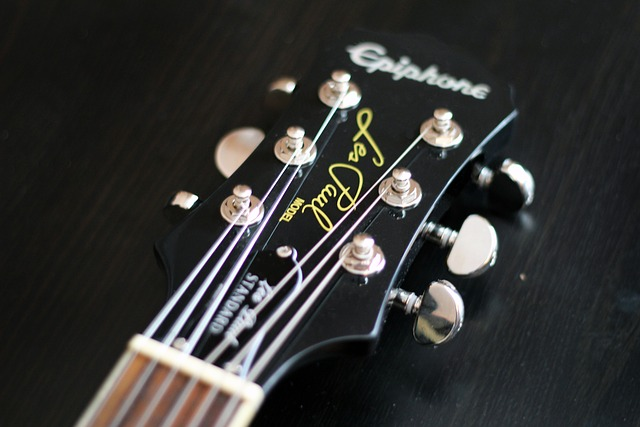
The guitar giant creates some of the most prestigious, active pickup cool guitars. If you are concerned about being on a budget and not finding an appropriate guitar from Gibson, don’t be. This is because the company caters to varying consumers, especially those with an affordability constraint, through its other brand, Epiphone, bought by Gibson in 1957 to market the budgeted versions of their esteemed guitars.
Rest assured, the guitar sounds amazing, and its quality and characteristics are similar to those you may purchase from Gibson directly. Nevertheless, the only difference that will exist will be the price tag!
Martin: Incredible Build Quality
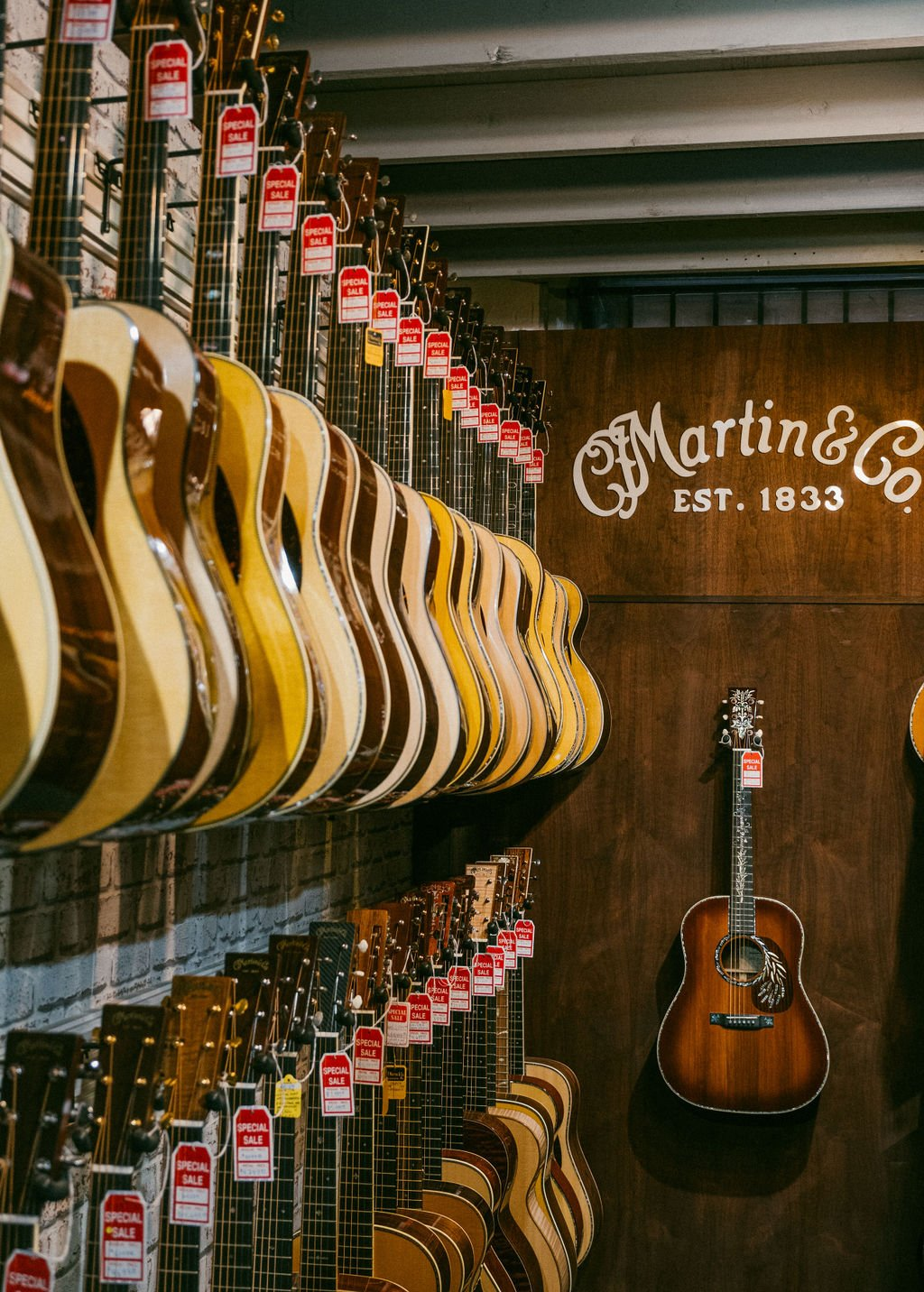
The best acoustic guitar brand out there, whose name is synonymous with quality, is Martin. This family-founded and owned company is effortlessly one of the predominant forces in the industry for acoustic guitars and is the best option for those seeking to play retro tones. The D-28, D-18, and HD-35 are notable guitars that deliver a low-end, striking, bold tune and flawless projection.
Martin has been the standard-bearer for producing acoustic guitars and was the first brand to use their bracing system. Where other guitar brands use X-bracing or its variation, Martin has championed leaving behind the traditional guitar bracing system idea and has designed their system.
The internal framework offers excellent guitar support and determines the quality of the released resonance and tone, which is incredible for any Martin guitar. Along each brace, a small scallop is carved, which maintains the strength where it is required and reduces the overall weight of the instrument.
When discussing the quality of Martin guitars, we see that, to this day, they remain unmatched. The company carefully handcrafts each guitar and pays attention to detail using the finest materials. For instance, they use Madagascar ebony and Brazilian rosewood for the guitar’s structure and every other component.
Fender: Master Of Versatile Tones
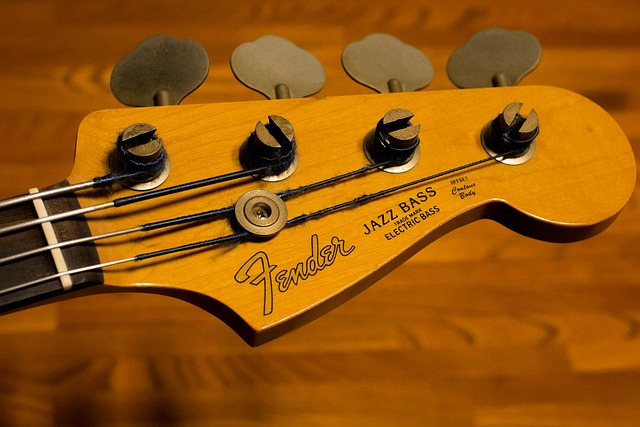
Searching for an adaptable guitar capable of producing versatile tones? Search no further because Fender’s Guitar is the one for you. Without Leo Fender’s innovation with basses, amplifiers, and electric guitars, the musical world contemporarily would not have been so colorful but dull and boring. Fender is responsible for revolutionizing the bass guitar and presenting it as we know it today.
By manufacturing the first electric guitar and igniting an unfamiliar, unheard sound through the solid-body design and single-coil pickup, Fender has cemented their brand recognition.
Within no time, these electric guitars became trending among rock ’n” roll guitar players and incentivized Fender to continue with their innovation. As a result, the company released Precision Bass, then Jazz Bass, and other guitars like Telecaster and Stratocaster, which are perfect for playing every tone. Whether it be indie, blues, Jazz, punk, or rock music, these Fender instruments will sound amazing.
The best part about considering Fender for electric cool guitars is their wallet-friendly options. It does not matter if you are leaning towards a high-end guitar or are low on money and contemplating an averagely priced guitar- the body build quality, the features, and the produced tone will all be impressive and worth it!
Taylor: Acoustic Guitar Innovator
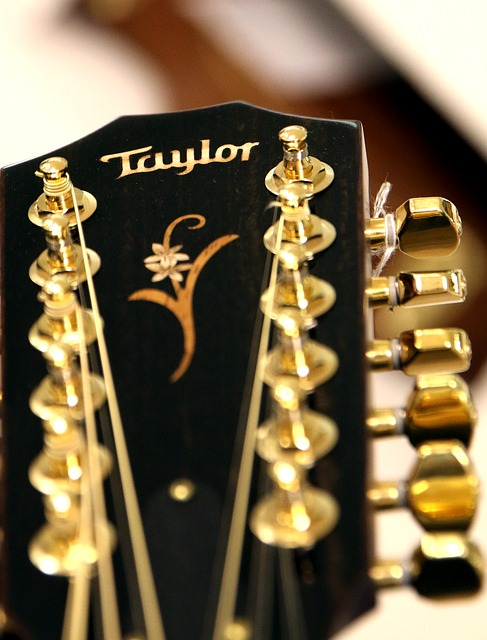
The modern acoustic innovator- Taylor- produces some of the finest six-strings embodying design and quality. The company uses unconventional approaches, whereby they prefer to utilize innovative designs and modern technology within the instruments they manufacture.
Taylor has guitars available in varying body shapes, with individual guitars being unique in their characteristics, playability, and tone. The brand is not afraid of experimentation but embraces and incorporates its ideas in producing designs like the NT neck design, which permits all those playing guitar to play faster and sustain the instrument better.
By using state-of-the-art machinery in production for the utmost accuracy in their wood cutting, Taylor ensures that each guitar piece effortlessly fits together to produce the most crisp, contemporary sound.
The sound delivered from every guitar lies between the upper mid-range and can be heard even when played in the densest of a crowd. The Grand Auditorium body style is the most famous and, to this day, is Taylor’s flagship guitar design, striking an outstanding balance between projection and comfort.
Therefore, the guitar is ideal for fingerstyle and strumming or rhythm playing. Even if the Grand Auditorium by chance does not suit your needs, other equally captivating body styles like the Grand Concert or Orchestra may be the right choice!
Yamaha: Beginner Friendly Brand
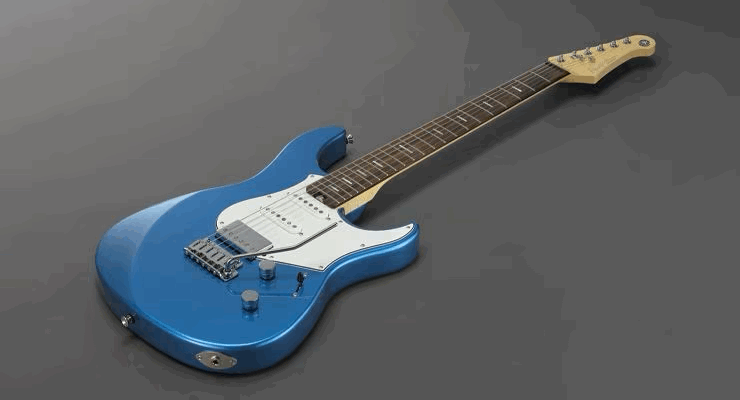
If you are a guitarist who is just stepping into learning the guitar but is looking for a dependable, cool guitar, then Yamaha will adequately accommodate your needs.
Yamaha has concreted its presence in the music world by creating all types of instruments, whether a drum kit, ukuleles, or your much-wanted guitar.
Especially among beginners, Yamaha guitars are the most trusted. This is because of the fine quality of their instrument and the strings, which are easy to play. Specifically, the Yamaha Pacifica is a beginner staple or a student-friendly product that offers an extraordinary level of playability and, most importantly, value for money.
So if, for your journey, you want a guitar that will work the course with you, is reliable, stylish, affordable, and obviously sounds great, you would not want to miss out on checking Yamaha.
PRS: High-End Guitar’s Optimal Choice
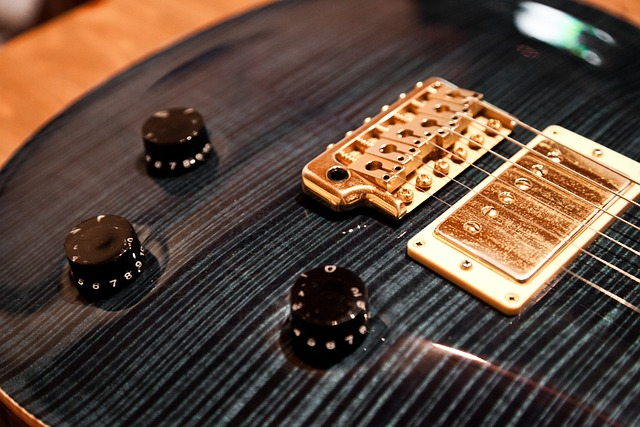
Many guitarists turn to PRS as their only solution when purchasing a high-end guitar. With an impeccably sleek design and cautious attention to every intricate detail, it is evident why the brand is so famous among players looking for an instrument that is special and unique to their taste.
Paul Reed Smith (PRS) has gained popularity in the market for crafting instruments that are as good as they look and play equally well. Though some may argue that the guitars are overpriced, the craftsmanship and dedication to quality that the company has is and shall remain unparalleled.
Whether you are a regular player of metal or jazz or nurture a passion for another tone, a PRS stylish yet versatile guitar will suit all your needs. Similarly, they have electric and acoustic guitars that sound amazing and are made of some of the best materials.
Their focus on detail sets PRS aside and above other competitors. Every fret is handled with such care that it is made sure that the guitar’s playability and intonation are not compromised, and it is spot-on for the guitarist.
Additionally, regardless of your music choice, these guitars’ clarity and tone are incredible and unmatched. If you have ever had the chance to play a PRS-produced guitar, then you would know how every penny is worth spending on it.
Strandberg: Trendy, Headless Guitar
Want a guitar, but a guitar that is not your typical guitar? Based in Uppsala, Strandberg produces the instrument with a rather contemporary approach. A mere glance at their guitars will indicate that they are not average guitars but the headless neck, trendy guitars!
The brand’s calling card is its ergonomic system, which ensures that despite including all features and giving the guitar a remarkable design, the overall weight remains lightweight and convenient for portability.
Strandberg guitars are as modern as they can get, with their basses fulfilling the demands of guitarists such as Per Nilsson and Ben Kenney. Not only this, but now, to cater to all their consumers, they have introduced high-quality guitars within an affordable budget.
If you feel like that headless guitar will be your top pick, then definitely do consider Strandberg!
Jackson: Iconic Electric Guitars
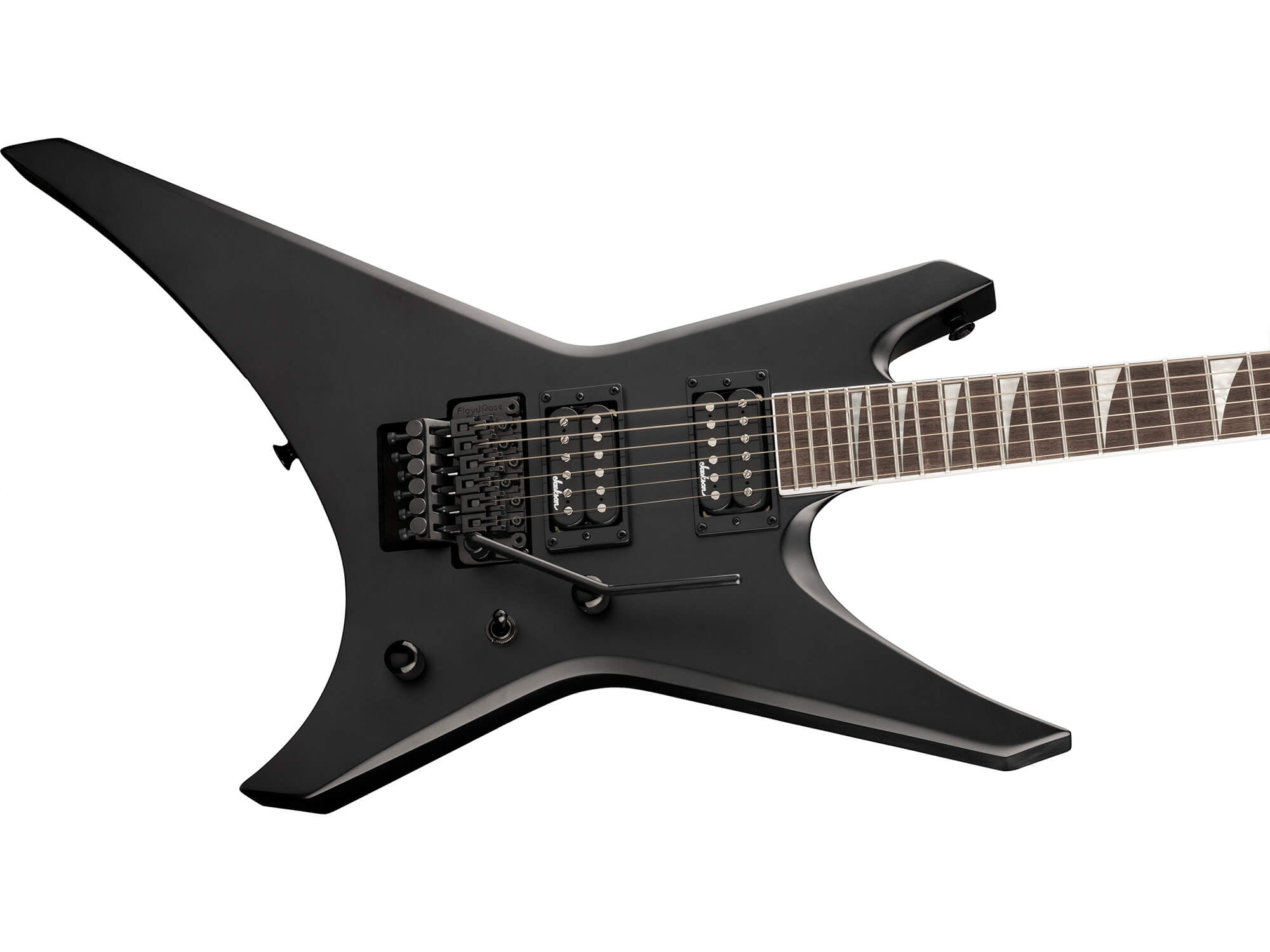
Do you have a particular preference for playing only an electric guitar? Jackson, a well-known brand solely focused on producing electric guitars, will surely allure you.
The company is dedicated to manufacturing instruments with several distinct characteristics and defining features such as tones, finishes, and shapes.
No two guitars you will pick out from Jackson will come in the same body shape, finish, or tone- that makes Jackson the best electric guitar brand for advanced guitarists inclined to play more rock and metal music genres.
Particularly, the brand is most known for crafting thick, sleek guitar necks, which is the real deal for people playing guitars whose hands continuously keep moving out of place, up and down, and throughout the fretboard. Forget about losing sync and rhythm when playing a Jackson guitar because the instrument’s thin neck will give you a firm hold of the guitar.
The most revered models are the Rhoads series, named after the influential guitarist Randy Rhoads. Although Jackson guitars are most suitable for high-speed riffing and advanced players, beginner-level or casual players can also play models like the JS12 Dinky.
Gretsch: Guitar’s With A Timeless Appeal
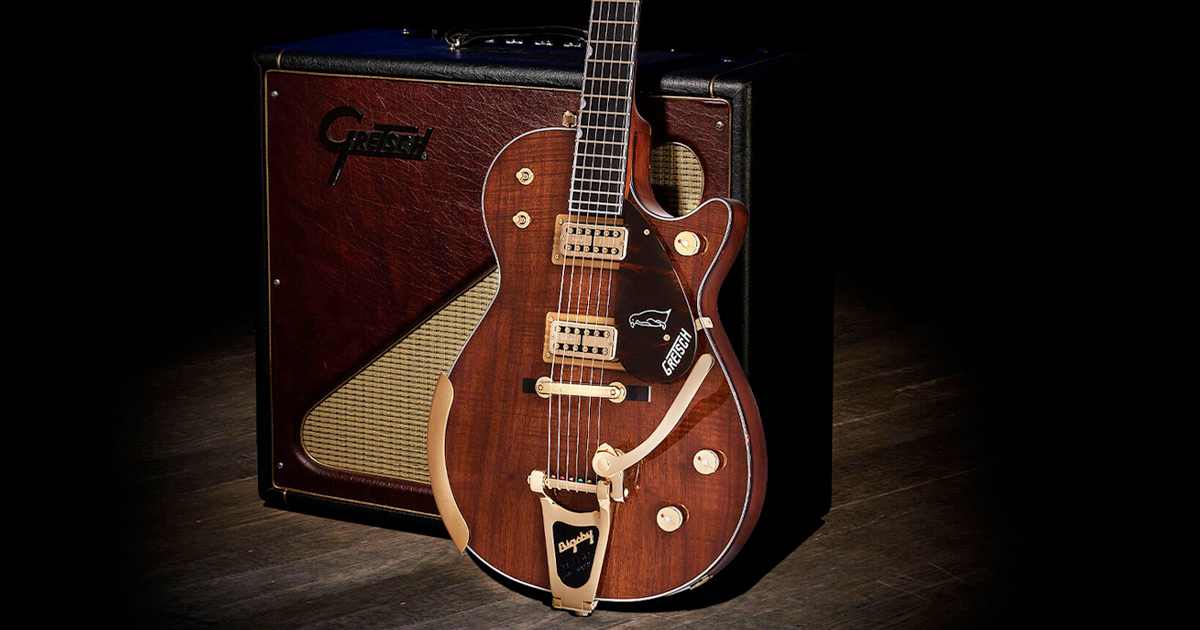
Yet another option we bring for our electric guitar players is that of Gretsch. Certainly, Gretsch is one of the oldest names in the industry, and it has the reputation of producing notable electric guitars that have significantly impacted genres ranging from blues to jazz and rock’ n roll.
The unique tone of the guitar’s output is one of the most eminent characteristics of the brand.
The Gretsch guitar’s superior quality, meticulous craftsmanship, and vintage aesthetic make them an irresistible choice. Following the guitars also embody varying body looks and iconic features like the thumbnail fretboard, large headstock, and a G-arrow knob, which further adds to the company’s everlasting compelling appeal.
If you still want more assurance over the brand’s quality and reliability, then know that George Harrison from the Beatles, Brian Setzer, and Chet Atkins are some of the many names of the players who have made a mark in their careers with Gretsch guitars.
Buying Guide
With such spectacular options, are you too confused about how to buy the best guitar? Do not worry; we have some helpful tips that will assist you in simplifying your decision-making process.
Try them all out!
First and foremost, try them all out. We have listed all the top brands for you, but this does not imply that one brand cannot be better.
Each brand has something different to offer; one may provide you with excellent quality while another has a unique tone, and you will not know which one is your preference until you hold the guitar in your hand and play on those strings!
The “best” guitar requirement is subjective, and the only way to find out is through performing a test trial with these guitars.
Anyway, there is no harm in it, nor any of your loss. At the end of the day, you will be getting your hands on guitars produced by some of the most esteemed brands! So look out for a guitar shop, and spend a day trying out all the brands we have recommended.
Do Your Research
Doing a bit of digging before heading out shopping for a guitar can be more fruitful and in your favor than you may think. Research on what kind of guitar your ideal guitar heroes played.
For example, if you are a die-hard metal fan, perhaps a brand like Ibanez, Jackson, or Strandberg will sufficiently fulfill all your demands. If you are a fan of Slash, then Epiphone or Gibson is the right guitar option.
It all depends on your taste, the kind of music you want to play, your music style, and the guitar’s playability.
Beginner or Advanced Player
Another thing to consider when purchasing a guitar from any brand is whether you are a beginner or an advanced player. Someone who is just beginning to play the instrument will need a guitar that is much simpler and easier to operate, contrary to someone proficient with the instrument.
Top brands like Yamaha and Jackson do stock some beginner-friendly options.
Budget
Knowing what your budget is or what you are willing to spend can considerably tailor your options, and it is, in fact, a good thing because then you can shrink your vision and focus on finding the guitar brand that is within your budget.
Fortunately, many producers like Gibson, Yamaha, and Strandberg deliver quality with affordability, so you do not have to worry about running out of reliable brand options.
If you do not have a budget constraint and want to take an all-hands-on-the-deck approach to buying a guitar, then all hail PRS for creating the most prestigious, high-end guitars in the market.
Frequently Asked Questions (FAQS)
What is the best guitar brand?
Gibson, Fender, Martin, and Taylor are some of the best and guitarists’ favorite brands.
Which guitar has best sound?
If you are looking for a guitar that not only plays effortlessly but also delivers an incredible sound, check out the Fender CD-60, Martin D-35, Epiphone J-200, Taylor GS Mini
Which is the best guitar in the world?
There is no precise, singular answer to it, but some of the best guitars in the world, per the consumer choice, are Gibson ES-335 Satin, PRS SE Custom 24, ESP LTD EC-1000, and Epiphone Les Paul Special TV Yellow.
Do different guitar brands sound different?
Definitely, every guitar brand sounds different as each brand produces the instrument in varying sizes and shapes, each with a distinct sound. For instance, the Gibson Les Paul will sound very different and unique from a Fender Stratocaster.
Conclusion
Today’s guide lists the 10 best guitar brands that have fostered a reputation for producing the top-notch, most-premium guitars. Now, from the array of recommendations, the onus to shortlist a few brands that are most specific and appealing to your taste is on you. So, without further adieu, commence your search for your perfect guitar brand!